Word Games Like Wordle: Five Different Mechanisms
Keep the words, choose a different task: shared boards, letter swaps, phrase chains or semantic ranking. The table separates fixed guess budgets from open-ended meaning searches.
Compare the choices
| Game | Best fit | Round budget | Evidence |
|---|---|---|---|
| Quordle | Four linked boards | 9 guesses for 4 words | Publisher page · 1 source |
| Octordle | Eight linked boards | 13 guesses for 8 words | Publisher page · 1 source |
| Waffle | Swap existing letters | 15 swaps | Publisher page · 1 source |
| Wordgy | Build phrase connections | 5 missing words | Publisher page · 1 source |
| Contexto | Follow meaning rather than letters | Unlimited guesses | Publisher page · 1 source |
Quordle — Four linked boards
Quordle is the natural next step when one Wordle board feels too small. A single guess supplies feedback to four five-letter targets, with nine guesses for the set. That changes how you spend a turn: an exploratory word can help several boards even when it cannot finish one immediately. Choose Quordle before Octordle if you want the shared-guess idea with fewer simultaneous targets. Merriam-Webster is the publisher linked here; old tutorial addresses can differ.
Octordle — Eight linked boards
Octordle expands the shared-guess approach to eight five-letter targets in thirteen guesses. The attraction is managing several partial solutions at once, rather than learning a different alphabet of clues. Scan the boards after each turn and notice which ones have become nearly determined. Compared with Quordle, there are more places for useful feedback to accumulate and more solutions to track. The Merriam-Webster page includes daily and practice entry points, so check which session you opened.
Waffle — Swap existing letters
Waffle starts with letters already on a grid and asks you to swap them into the right words. That makes it different from inventing a fresh guess for Wordle: your task is to reason about where the supplied letters belong. The daily puzzle allows fifteen swaps, with unused swaps contributing stars. Look at crossing words together before moving a letter. Pick it when you enjoy planning a small sequence of moves rather than typing candidate words.
Wordgy — Build phrase connections
Wordgy asks for five missing words in a chain, where neighboring words combine into familiar phrases or compound words. The puzzle therefore rewards phrase association rather than Wordle’s position-by-position feedback. Read the neighbors on both sides of a gap before settling on a word, since a plausible connection in only one direction can mislead you. The publisher also offers custom chains to share, making it useful for an asynchronous challenge with a friend.
Contexto — Follow meaning rather than letters
Contexto moves away from spelling positions and ranks guesses by semantic proximity to a hidden word. A good spelling neighbor can be a poor semantic guess, while a differently spelled concept can bring you closer. Treat a promising result as a topic to explore, not a pattern of letters to fill. This is the branch for people who enjoy association and changing hypotheses. Choose Quordle or Waffle if you prefer fixed, visible constraints on letters.
Keep exploring
Browse all 80 games, compare spelling games with other puzzle mechanisms, or check the dated status board.
Questions people actually search
Which is closest to Wordle?
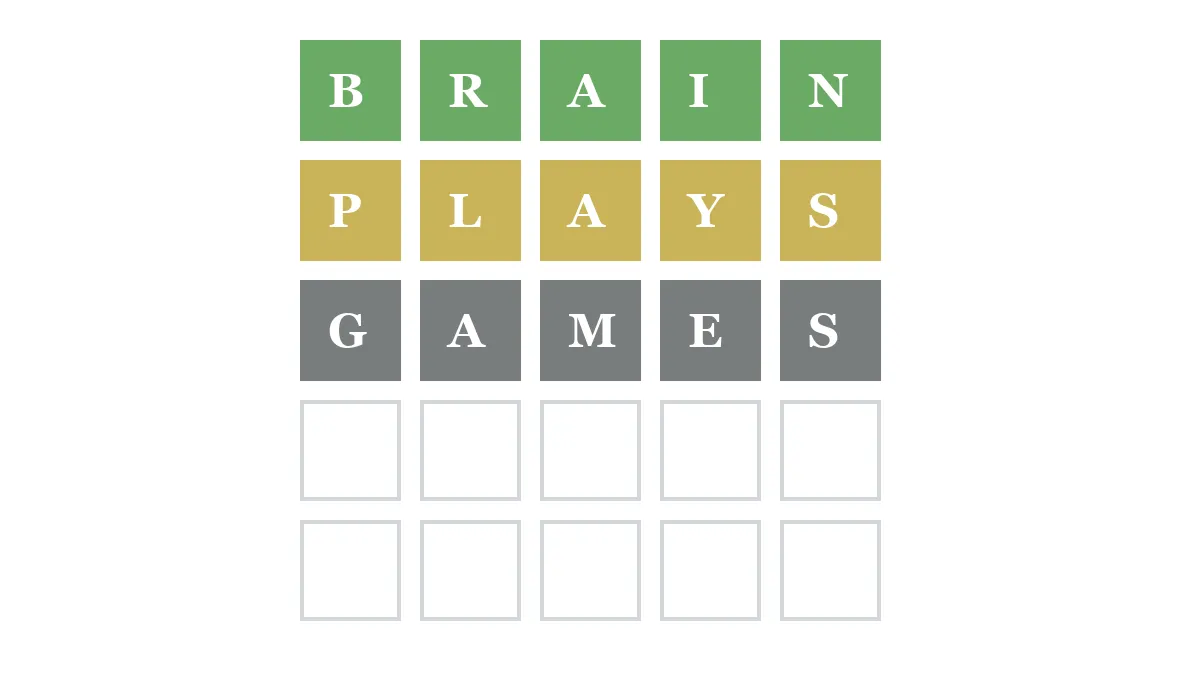
Quordle and Octordle preserve letter-position feedback while increasing the number of simultaneous target words.
Sources
- Quordle publisher page · checked 2026-11-15
- Octordle publisher page · checked 2026-11-15
- Waffle publisher page · checked 2026-11-16
- Wordgy publisher page · checked 2026-11-15
- Contexto publisher page · checked 2026-11-15